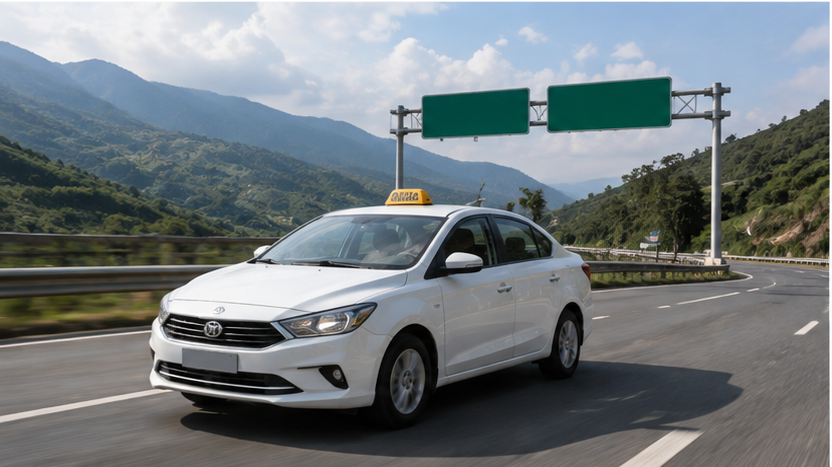
Delhi Railway Station travel planning
Delhi Railway Station journeys can involve tight train schedules, traffic and busy pickup areas. Use this guide to plan the road journey, pickup timing and onward connection with fewer last-minute problems. A Delhi railway transfer needs careful timing because station approaches can become busy and trains operate to fixed schedules.
A good plan starts with the complete journey rather than a single road-distance number. Note the exact pickup address, final destination, passenger count, luggage requirement and the time by which you need to arrive. These details make it easier to choose a practical departure window and reduce last-minute changes.
Bareilly to Delhi Railway Station
For this type of journey, route planning should include the full approach to the destination. Road distance can look straightforward while the final city section, station approach, airport access road or venue entrance takes additional time. Check the pickup and drop details before the travel day and keep a reachable passenger contact number available.
A Delhi railway transfer needs careful timing because station approaches can become busy and trains operate to fixed schedules. If the journey connects with a train, bus or flight, work backwards from that fixed departure time and add a sensible road-traffic buffer.
Pickup timing and station access
Pickup and drop-off information should be specific enough for another person to identify the meeting point without repeated calls. Mention a terminal, gate, station side, hotel, office, landmark or building entrance where relevant. Busy locations can have several lanes and entrances, so a clear meeting point is often more useful than a general area name.
Passengers travelling with children, older family members or several bags should also think about the walking distance from the vehicle to the final entrance. A slightly easier meeting point can make the entire transfer more comfortable.
Planning around train departure times
Travel timing depends on traffic, weather, road conditions, local congestion and the purpose of the journey. Avoid building an important connection around the shortest theoretical travel time. A practical buffer protects the rest of the schedule when an ordinary delay occurs.
For early departures, prepare the address, passenger details and luggage the previous evening. For late arrivals, confirm the meeting point and communication method in advance so the transfer remains simple after reaching the destination.
Practical tips for station transfers
station-side identification, luggage, traffic buffer and train departure planning Keep the plan written in a simple sequence: pickup, route, important stop or connection, final destination and expected arrival. For group travel, one person should coordinate passenger communication so the driver does not receive conflicting instructions.
A common planning error is arriving at the city but not allowing enough time to reach the correct station entrance or platform access point. Instead, confirm the complete travel requirement before the journey begins and keep a small contingency window for normal delays.
How to make the journey smoother
Use the complete address, gate, terminal, station side or landmark rather than a broad city name.
For flights, trains, buses and appointments, calculate backwards from the required arrival time.
Consider passengers, luggage, journey duration and the number of stops before choosing a vehicle category.
Have one clear contact person and keep pickup details available on the travel day.
Travel Checklist
- Confirm the exact pickup and drop location.
- Keep passenger count, luggage details and contact information ready.
- Allow a practical buffer for traffic, weather and normal delays.
- For airport, train or bus connections, plan backwards from the scheduled departure.
- Confirm the meeting point before the vehicle reaches a busy transport hub.
- Save important route, driver and destination details before leaving.
Need to Arrange a Taxi?
This page is designed for travel planning and information. If your journey is finalised and you want to check actual taxi booking options, you can book a taxi with Zit Taxi on the main booking website.
Detailed Travel Planning Guide
A Delhi railway transfer needs careful timing because station approaches can become busy and trains operate to fixed schedules. A useful travel plan should cover the complete movement from the first pickup point to the final destination. Instead of looking only at the distance, note the road approach, likely traffic areas, stopping requirements and the time-sensitive part of the journey.
For visitors travelling from Bareilly, it is helpful to save the complete destination address before departure. If the destination is a railway station, airport, bus terminal, hotel, office or event venue, also identify the correct entrance or meeting point. This small step can prevent confusion after reaching a busy location.
How to choose the right departure window
station-side identification, luggage, traffic buffer and train departure planning The safest approach is to work backwards from the time you actually need to reach the destination. Add time for city traffic, highway slowdowns, short stops and the final approach to the destination. A realistic buffer is more useful than relying on an optimistic map estimate.
For flights, trains, buses, examinations, medical appointments, weddings and business meetings, treat the fixed event time as the starting point for planning. For flexible sightseeing or local travel, the schedule can be more relaxed, but clear pickup and drop information still makes the journey easier.
Pickup, luggage and passenger preparation
Before travel, keep passenger count, luggage quantity and any special requirements together in one place. Families may need easier boarding and more luggage space, while business travellers may prioritise punctuality and a convenient pickup location.
At busy transport hubs, the exact meeting point matters. Share a terminal, gate, station side, landmark or hotel entrance where possible. If the destination has several gates or roads, confirm the preferred access point before the vehicle arrives.
What to do when plans change
Road conditions, weather, traffic restrictions and changes to a train, bus or flight can affect the original schedule. Keep a small contingency window and update the pickup or drop details as soon as the plan changes.
arriving at the city but not allowing enough time to reach the correct station entrance or platform access point Instead, keep the journey details current and make sure one person has the latest information when travelling as a group.
Choosing a practical travel option
The right travel option depends on distance, passenger count, luggage, timing and the number of stops. A short city transfer may need a simple arrangement, while a longer intercity journey benefits from more deliberate planning around comfort, breaks and arrival time.
This guide is informational and is intended to help travellers compare their practical options before the journey. Final transport arrangements should always be based on the current travel requirement, destination access and confirmed schedule.
Frequently Asked Questions
How should I plan this journey?
Start with the exact pickup point, destination, required arrival time and passenger details. Then allow a practical buffer for traffic and other normal delays.
What information should I confirm before travel?
Confirm the full pickup address, final destination, passenger count, luggage requirement, meeting point and any fixed train, bus, flight or appointment time.
How can I avoid last-minute confusion?
Keep the route details in one place, nominate one person for group communication and confirm the meeting point before the travel day.
Can this guide be used for family or business travel?
Yes. The same planning principles apply, with additional attention to luggage, passenger count, punctuality, privacy and meeting-point clarity.